
Strategic Area
Explore Our SDGs
Sustainable Development » Explore Our SDGs
CONTENTS
Sdg 1 - no poverty

End poverty in all its forms everywhere
SDG 1 consists of seven targets to eradicate poverty of all degrees in all forms. The targets aim to end generational poverty, provide equal access to any basic human right, provide protection from climate disasters, implement policies to eradicate poverty and overall develop this underserved community to achieve their justice.
RESEARCH
Policy-making addressing poverty
The University’s research and knowledge transfer activity contributes to the Goal of No Poverty.
2023 Lancang–Mekong Innovation and Entrepreneurship Education Forum
Lac Hong University participated in the 2023 Lancang–Mekong Innovation and Entrepreneurship Education Forum and was elected to the Permanent Council of the Lancang-Mekong Countries Entrepreneurship Education Association (LMCEEA). Through this regional cooperation mechanism, LHU contributes to initiatives promoting social entrepreneurship, poverty reduction, and sustainable development across the Lancang–Mekong region.
Assessment of the Quality of Agricultural Economic Growth in Vietnam
Lac Hong University researchers contributed the study “Assessment of the Quality of Agricultural Economic Growth in Vietnam”, examining Vietnam’s agricultural growth and its contribution to poverty reduction, food security, and social welfare. The findings provide evidence and practical implications to support stakeholders in socio-economic policy decision-making.
EDUCATIONAL EQUITY
Bottom financial quintile student support
I. Introduction
Challenge: Recognizing that severe financial hardship is the greatest barrier preventing a portion of potential students from accessing higher education.
Commitment: Providing opportunities for individuals who may not be able to afford university education due to serious financial difficulties.
1. Beneficiaries:
Our target group includes students from the bottom 15% of household income group in the country, identified through official certification as low-income or poor households by local authorities or their high schools.
2. Principles of Implementation:
This commitment is carried out through long-term objectives that enhance applicants’ competitiveness and readiness, while strictly prohibiting any form of discrimination at both the initial and final stages of admission.
II. Bottom financial quintile admission target
Long-Term, Measurable Targets: The University's long-term objectives and measurements are designed to enhance fair competitiveness and secure university admission opportunities for candidates who face serious financial disadvantages that prevent them from attending higher education, while strictly prohibiting discrimination at the point of admission. These targets ensure our efforts are systematic, measurable, and aligned with our commitment to equity education.

Key Performance Indicators (KPIs)
Activities
Access & Preparation
Increase the number of students from the target group participating in the University's Pipeline Programs (which are designed to build academic capacity and essential skills for high school students from under-resourced schools and communities) by 89% over the next 5 years.
1. Academic Capacity Building
Specialized Academic Workshops: Organizing intensive study sessions for core subjects (e.g., Math, Science, Languages) held at target high schools or on the university campus to address academic attainment gaps.
Essential Skills Development Courses: Focusing on foundational university-readiness skills, such as critical thinking, research methodology, academic essay writing, and effective time management.
2. Personal Support & Guidance
E-Mentoring Programs: Establishing a dedicated mentorship network that connects current university students (especially those from similar backgrounds) with high school students to provide academic support, personal guidance, and share university life experiences.
Admissions and Financial Aid Advising: Offering in-depth consultation on the standard admissions process, application strategy, and supporting the preparation of required application materials, including personal essays and financial aid documentation.
3. Aspiration & Experience
Campus Tours and Residential Stays: Organizing visits or short residential programs (e.g., summer schools) for high school students to directly experience the university environment and facilities.
Off-Campus Talks and Presentations: Conducting motivational talks at target high schools and community centres about higher education opportunities, career pathways, and the value of a university degree.
4. Contextual Equity & Information
Parents and Community Consultation Sessions: Providing structured information and guidance to parents/guardians about higher education options, associated costs, and available financial support mechanisms to mitigate informational barriers.
Equality, Diversity, and Inclusion (EDI) Workshops: Providing specific modules or facilitated discussions to build social awareness and skills, helping students adapt and thrive in a diverse university environment.
Competitive Support
Achieve an 81.75% success rate for students participating in Pipeline Programs who successfully apply and gain admission through the standard admissions process.
The measurement activities below are essential for quantifying the effectiveness of the long-term pipeline programs:
1. Hard Outcomes (Admissions & Enrolment)
Application Rate Tracking: Monitoring the number of students who participated in the Pipeline Program and formally submitted an application to any university course.
Offer Rate Tracking: Documenting the number of participating students who received an offer of admission from the university through the standard admission process.
Admission Rate: Tracking the number of students who accepted the offer and formally enrolled at the university.
Contextual Verification (Target Group): Utilizing contextual data (e.g., home postcode area, refugee/asylum seeker status, or specific low-income documentation) to verify that admitted students are indeed part of the target group
2. Soft/Intermediate Outcomes (Capacity & Readiness)
Knowledge and Expectation Assessment: Conducting Pre-camp/Post-camp surveys to evaluate changes in: Higher Education (HE) knowledge, HE expectations, and academic self-efficacy.
College Readiness Assessment: Evaluating student perceptions of preparation needs (e.g., "I know which classes I have to take before college")
Soft Skills and Social Mobility Outcomes: Monitoring improvements in communication skills, leadership, and community integration (often tracked through academic advisor assessments or post-program self-evaluation).
Outreach and Career Guidance
Achieve a 92.3% participation rate for high school students from underprivileged wards/districts and poor provinces in the country, engaging in admission consultation and career guidance programs (online or in-person at LHU and at high schools).
Admission consultation
Career guidance programs
Targeted Financial Commitment
Commit to allocating a minimum of 1.0% of the overall scholarship budget to eligible students belonging to the Bottom Financial Quintile (20% lowest income group), primarily through scholarships designated for poverty-stricken areas from "New Student Scholarship Budget"
1. Direct Allocation and Reporting: This involves the issuance of official decisions by the University for budget commitment.
2. Data Collection and Impact Verification: Statistics on the number of new students
Targeted Scholarship Distribution (New Student Scholarship Budget)
The University has consistently exceeded the minimum 1.0% allocation commitment, demonstrating scalable support:
Year
% of New Student Scholarship Budget Allocated to Bottom Financial Quintile
2023
1.13%
2024
4.9%
2025
6.17%
Collaborative and Endowed Financial Support Initiatives
In addition to the budget allocation, the University has established comprehensive, long-term programs:
-
“Supporting Students to School” Scholarship (Học bổng “Tiếp sức đến trường”): The University coordinates this annual scholarship program with the Tuoi Tre Newspaper, the Ho Chi Minh Communist Youth Union, and the Vietnam Students' Association. The scholarship targets eligible students from disadvantaged backgrounds who are required to submit an essay clearly outlining their aspirations and future career goals as part of the application process.
-
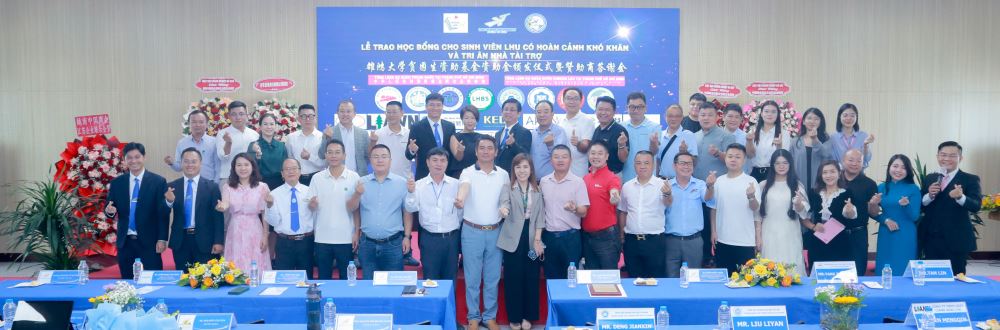
“LHU Students Overcoming Hardship” Scholarship Fund: On November 16, 2024, LHU collaborated with the local business community to establish this fund. The initiative provides an institutional mechanism for enduring financial support, offering comprehensive relief to students facing severe economic difficulties.
-
On September 5, 2025, Lac Hong University awarded scholarships under the “LHU Students Overcoming Hardship” Scholarship Fund to 36 students facing financial difficulties, with a total value of more than VND 750 million. Individual scholarships ranged from VND 15 million to VND 35 million, with funding contributed by both the University and its partner businesses. This continued support demonstrates the sustainability of the fund and its role in providing meaningful financial assistance to students experiencing economic hardship.
III. Bottom financial quintile student success
Graduation targets for students who fall into the bottom 15% of household income group in the country
As a benchmark for our commitment, the University's overall graduation rate for all programs was 81.46% in 2023, 87.80% in 2024, and 88.30% in 2025.
To ensure outcome equity for students from disadvantaged backgrounds, we officially commit to achieving a graduation rate of 89.5% for students belonging to the bottom financial quintile by the 2029 academic year. This target is aimed at reducing the attainment gap between this group and the University's overall student body to less than 1.0 percentage point.
IV. Bottom financial quintile student support programmes
The following specific programmes and initiatives demonstrate the University's continuous, targeted, and coordinated approach to assisting students from the Bottom Financial Quintile to successfully complete their studies
1. Financial aid
The University provides annual, need-based financial packages designed to mitigate dropout risk by addressing serious financial disadvantages.
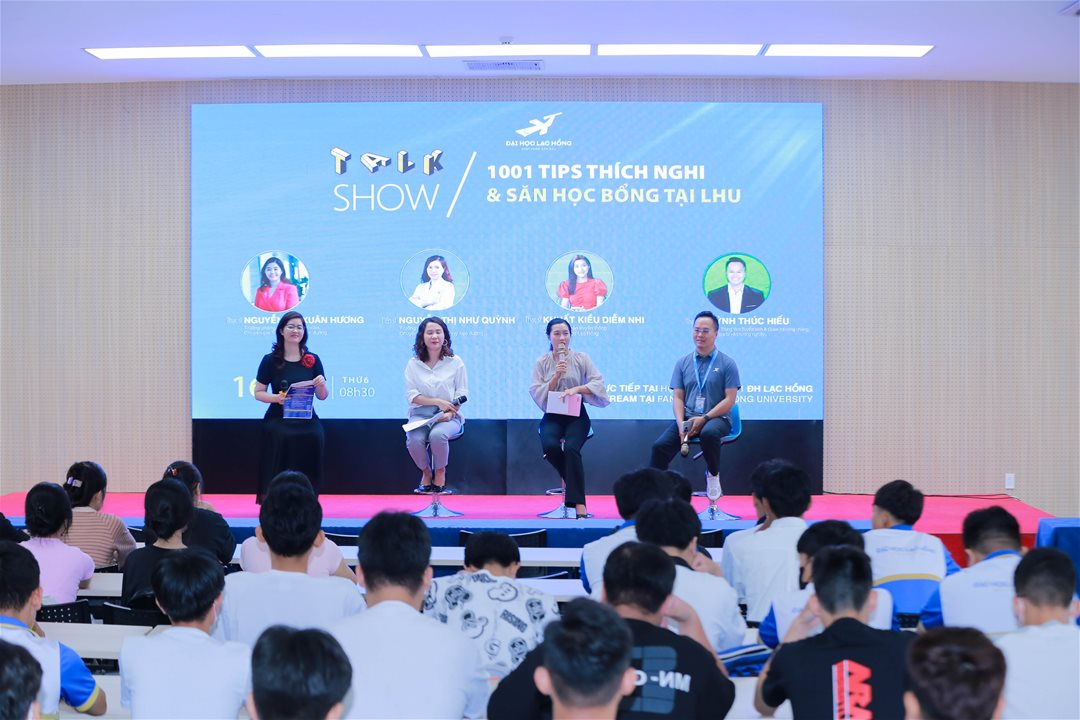
a. Non-Repayable Scholarships: Provision of annual need-based scholarships and bursaries that are re-funded throughout the course of study. These grants are categorically non-repayable
Scholarship Types Include:
-
Type 1: Region-based Scholarships (allocated from the retention scholarship budget for students achieving good/excellent academic results).
-
Type 2: Nguyen Van Ky Scholarship.
-
Type 3: Corporate/Enterprise Scholarships.
-

b. Emergency Grants: Provision of immediate financial assistance to address unforeseen circumstances such as health issues or natural disasters.
-
c. Student Loans (Low-Interest/Non-Commercial):
-
- Mabuchi Enterprise Loan Program: Students repay the borrowed tuition funds monthly (or in one lump sum) after graduation (Zero interest rate).
-
- Student Credit Loans: Access to student credit financing with preferential interest rates and favorable terms.
-
d. Work-Study Support: Employment as assistants in University Units, Faculty Offices, or on-campus centers, allowing students to earn money to cover study costs. Employment is strictly conditional on demonstrated financial need and must not affect eligibility for other financial aid.
e. Study & Living Expense Support:
-
Provision of vouchers for study-related expenses (e.g., stationery and computers)
-
Reduced dormitory costs.
-
Provision of complimentary tickets or transportation services for returning home during holidays (Tet/Lunar New Year).
-
f. External Funding Initiatives: Partnerships to secure sustainable financial resources, including the "Students Overcoming Hardship" Scholarship Fund (Enterprise-sponsored) and the Tam Tai Viet Fund.
-
2. Academic and Retention Support
-
These programmes aim to improve academic performance and retention rates for at-risk students:
-
a. Targeted 24/7 Tutoring Programs: Provision of continuous 24/7 tutoring programs by academic advisors and teaching assistants (TAs), targeting students at risk of failure in difficult modules, especially during the early years of study.
-
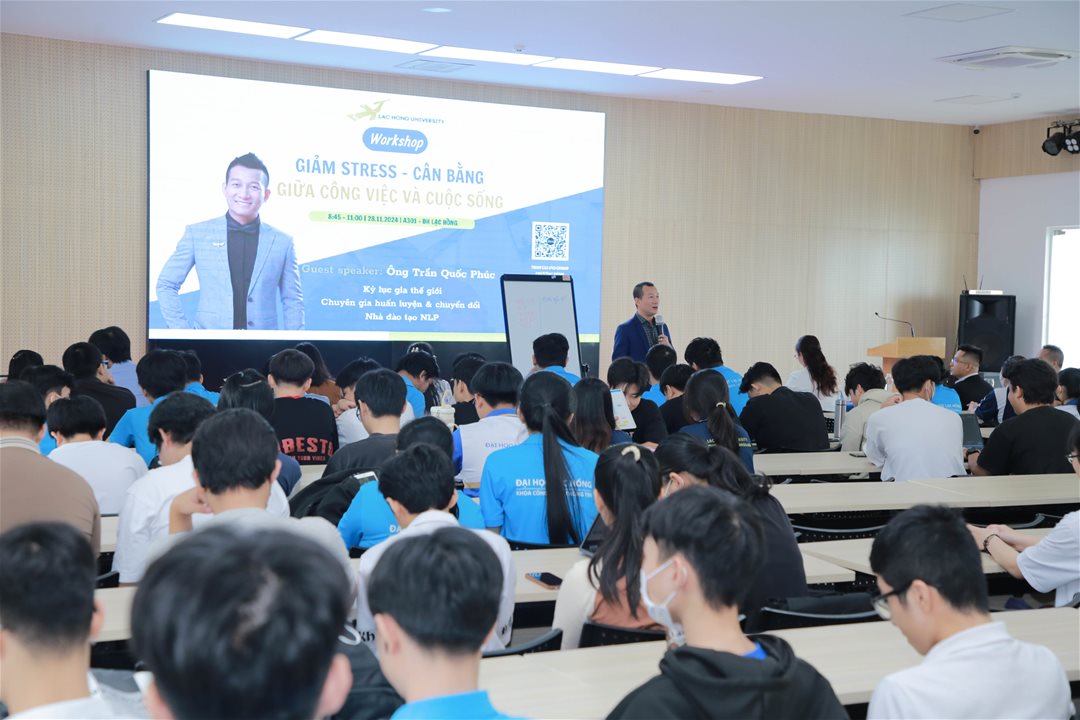
b. Skills Workshops and Counseling: Offering workshops and one-on-one counseling on essential study skills (e.g., academic writing and research skills) to ensure students successfully adapt to university requirements.
3. Welfare and Psychological Support
These services promote the quality of life (QoL) and mental health, addressing non-academic barriers to completion:
-
a. Psychological Counseling: Providing free and accessible psychological counseling services designed to address the stress and minor mental disorders (MMD) commonly associated with financial hardship and low socio-economic status.
-
b. Non-Financial Support Initiatives: Provision of food vouchers at preferential or subsidized costs to address basic nutritional needs, falling under support for food/living expenses.
-
4. Welfare and Psychological Support
These services promote the quality of life (QoL) and mental health, addressing non-academic barriers to completion:
a. Psychological Counseling: Providing free and accessible psychological counseling services designed to address the stress and minor mental disorders (MMD) commonly associated with financial hardship and low socio-economic status.
b. Non-Financial Support Initiatives: Provision of food vouchers at preferential or subsidized costs to address basic nutritional needs, falling under support for food/living expenses.
-
Low-income student support
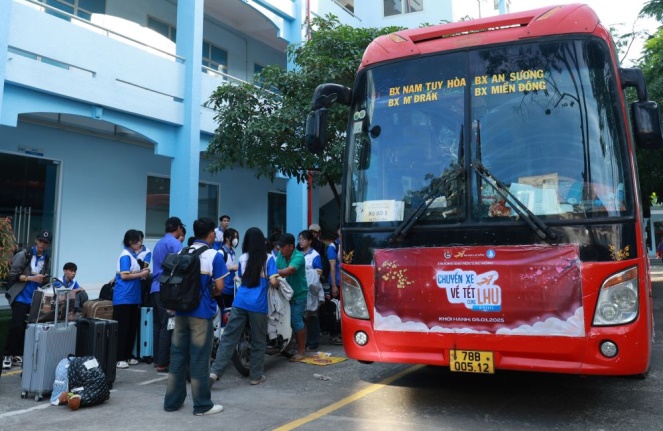
The 2025 programme marked the sixth consecutive year of LHU’s Tet Homecoming Bus programme.
1. Saving money on essential study costs
1.1. Free Campus-wide Wi-Fi
LHU provides free Wi-Fi across the campus, enabling students to access online learning materials, university systems and digital resources without incurring additional internet costs while studying on campus.
This helps students, particularly those with limited financial resources, save money on one of the essential costs associated with modern university study.
1.2. Free Microsoft 365 Accounts
LHU provides students with Microsoft 365 accounts free of charge, giving them access to essential software for assignments, presentations, communication and other academic activities.
By providing these tools at no cost, the University helps students avoid purchasing commercial software independently and reduces their direct study expenses.
1.3. Free On-campus Resting Spaces
The University provides free resting spaces for students during the day, particularly for those who remain on campus between classes.
These facilities allow students to rest, study and spend time on campus without having to pay for external spaces or incur unnecessary transportation expenses between classes.
1.4. Financial Planning and Spending Guidance
LHU also provides students with guidance on personal budgeting, planned spending and responsible financial management.
This helps students make more effective use of limited financial resources and avoid unnecessary expenses throughout their university studies.
2. Reducing daily living expenses
2.1. Subsidised Dormitory Accommodation
LHU provides financial support and reduced dormitory fees to help eligible students lower their accommodation costs.
2.2. Affordable Meals at the University Canteen
LHU helps students reduce their daily food expenses by providing access to affordable meals and low-cost food options at the University canteen.
3. Increasing income
3.1. On-campus part-time and student collaborator opportunities
LHU supports students in increasing and diversifying their sources of income by providing opportunities for part-time work and student collaborator positions within the University.
These opportunities allow students to earn additional income while working in an environment that can be more easily coordinated with their academic schedules.
For students facing financial difficulties, supplementary income can contribute toward accommodation, food, transportation and other essential university expenses.
3.2. Part-time job board and employment information
In addition to employment opportunities within the University, LHU regularly shares part-time job opportunities through internal communication channels, the University’s job information channels and its website.
Providing students with access to employment information helps them identify suitable sources of supplementary income and strengthen their ability to manage university and living expenses independently.
4. Providing direct financial support
4.1. Free Transportation
As part of its annual commitment to supporting students from low-income families, LHU continued to organise the “LHU Tet Homecoming Bus” programme, providing free transportation for students returning to their hometowns during the Tet holiday. In 2025, marking the sixth consecutive year of the programme, more than 450 students received 100% free transportation. University-arranged buses carried students to seven provinces in Central Vietnam and the Central Highlands, including Quang Ngai, Binh Dinh, Gia Lai, Dak Lak, Phu Yen, Kon Tum, and Lam Dong. By covering the full cost of transportation, LHU helped reduce the financial burden on students and their families during the Tet holiday. In addition, participating students received Tet gifts, lucky money, and encouragement from the University. Before departure, LHU also organised the “Tet Homecoming Bus Gala”, creating a warm and supportive atmosphere for students. The programme combines transportation assistance, material support, and emotional encouragement, with particular attention given to students experiencing difficult financial circumstances.
* Low-income students: students from low-income families
* Tet holiday: Lunar New Year
5. Emergency support for unexpected financial hardship
5.1. Support for students affected by natural disasters
When a student’s family is affected by a natural disaster, the household may experience sudden property damage, loss of income or unexpected expenses.
In such circumstances, LHU provides case-based assistance to help students manage the immediate financial impact and reduce the risk that the crisis will interrupt their studies.
5.2. Support following the death of a parent or guardian
LHU also provides support to students who experience the death of a parent or guardian, particularly where the loss results in a sudden reduction in household income or affects the family’s ability to continue financing the student’s education.
The University may provide appropriate financial, material or welfare assistance according to the student’s individual circumstances.
5.3. Support when a parent or guardian is unable to work
Students may also receive support when a parent or guardian becomes seriously ill, disabled or otherwise unable to work, resulting in a significant loss of household income.
In such cases, LHU provides or mobilises appropriate support to help students overcome the immediate financial crisis and continue their university education.
6. Others
6.1. Online Passport Application and Issuance Guidance
Lac Hong University, in collaboration with the Immigration Department of Dong Nai Provincial Police, successfully organized a session on online passport application and issuance for staff, lecturers, employees, and students. Currently, the University is implementing various international cooperation programs, providing opportunities for its members to travel abroad for cultural exchange, visits, and study. The session aimed to provide useful guidance on passport procedures, helping participants prepare the necessary documents and conveniently take part in the University’s upcoming international cooperation programs and activities.
Low or lower-middle income countries student support
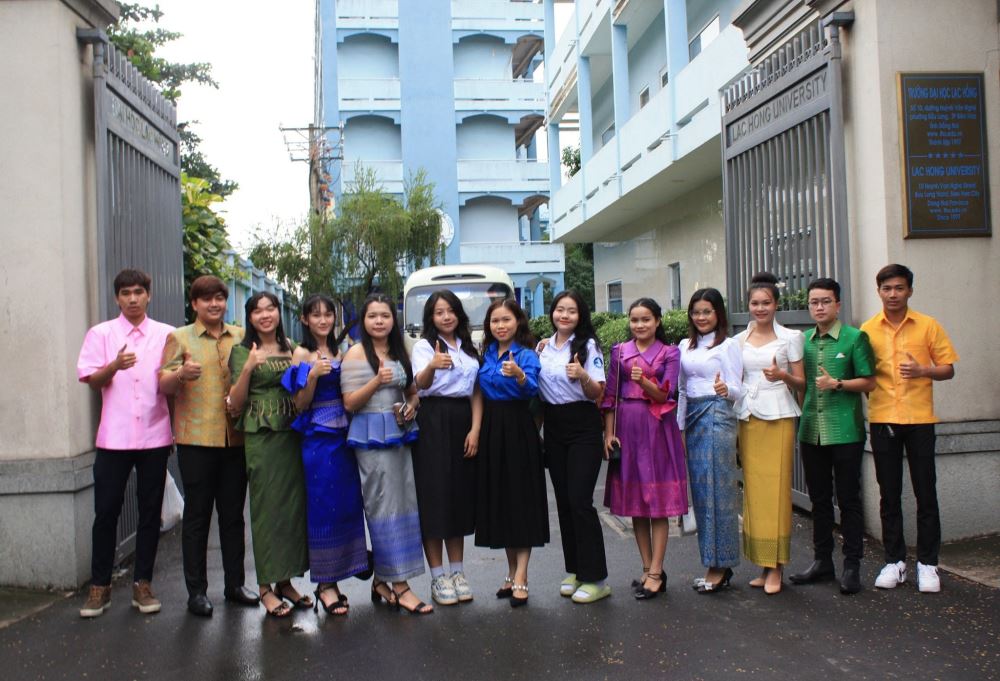
LHU provides various support schemes for students from low and lower-middle income countries, including Vietnamese language scholarships, academic scholarships and study programme with affordable tuition fee for undergraduate, master’s, and doctoral programs. The university also provides an exchange programme that allows Lao and Cambodian students to change majors and register for training programs at the college and university levels.
The University will also provide free dormitory accommodation for all students participating in the one-year Vietnamese language program at Lac Hong University.
1. Eligibility:
This support policy applies to students from Laos and Cambodia under the framework of inter-governmental agreements. Both nations are classified as lower-middle income countries according to the World Bank Classification.
2. Scope of Support:
Over the past academic years, the University has provided specific financial and educational support packages to international students from these two countries. Specifically:
2022:
-
1 female Cambodian student are enrolled in the 1-year Vietnamese language training program. Upon completing the Vietnamese language program, the student was transferred to the University's Pharmacy major.
2023:
-
5 Cambodian students are enrolled in the 1-year Vietnamese language training program.
-
1 Cambodian student, after successfully completing the 1-year free Vietnamese language program, enrolled in the Pharmacy major at the University.
2024:
-
1 Lao student enrolled in the Pharmacy major at the University.
-
5 Cambodian students are enrolled in the 1-year Vietnamese language training program.
-
10 Cambodian students enrolled in the following majors: Pharmacy, Automotive Engineering Technology, E-commerce, and International Business.
-
4 Lao and Cambodian students registered to study the Pharmacy major.
The support programs are applicable to students pursuing studies at the following levels: Bachelor's, Master's, and Doctoral programs.
2025:
16 students are enrolled in the 1-year Vietnamese language training program.
10 students are enrolled in the following majors: International Business, Information Technology, Pharmacy, Electrical and Electronic Engineering Technology, Environmental Science.
ENGAGEMENT
Start-up assistance
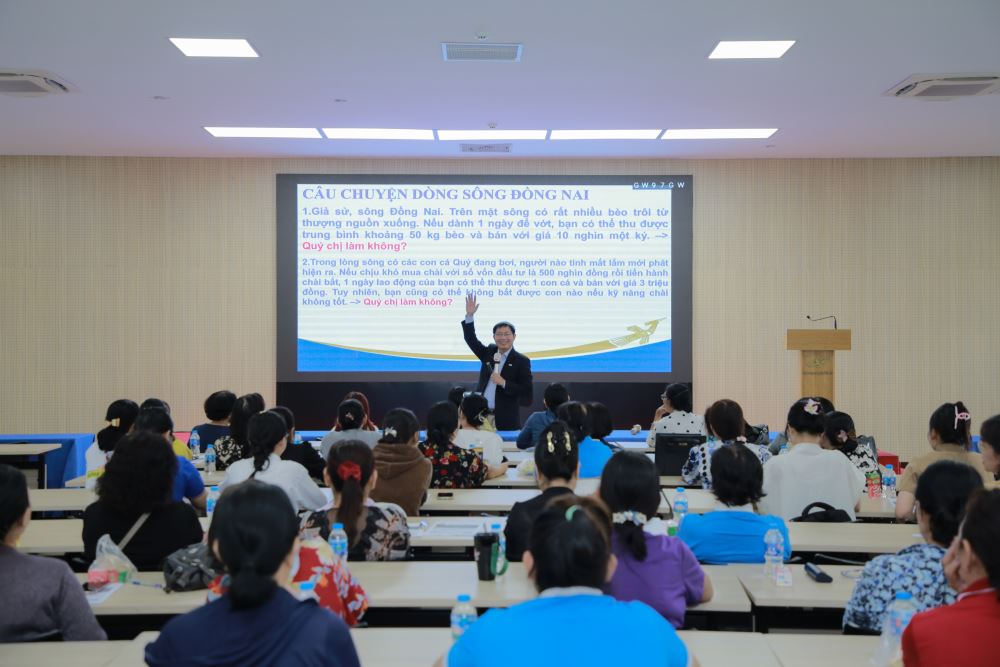
Lac Hong University (LHU) provides vital assistance to the local community, actively supporting the start-up of financially and socially sustainable businesses through relevant education, resources, and finance. By extending its robust entrepreneurial framework beyond the campus, LHU is nurturing a culture of innovation that drives local economic resilience and positive social impact.
I. Integrated support model: LHU's comprehensive ecosystem
LHU has established a comprehensive and well-structured ecosystem to foster entrepreneurship among bot students and the broader local community. This robust approach, which integrates incubation, curriculum, and practical support, demonstrates LHU's deep commitment to cultivating the next generation of business leaders and driving sustainable development.
A. Process for supporting local community startups
LHU extends its internal resources to the local community through a structured support process, ensuring financially and socially sustainable outcomes:
-
1. Idea Submission: Community members initiate the process by submitting their entrepreneurial ideas via email to the university.
-
2. Idea Development & Consultation: LHU supports the development of these new ideas by:
-
Collecting and analyzing submitted ideas.
-
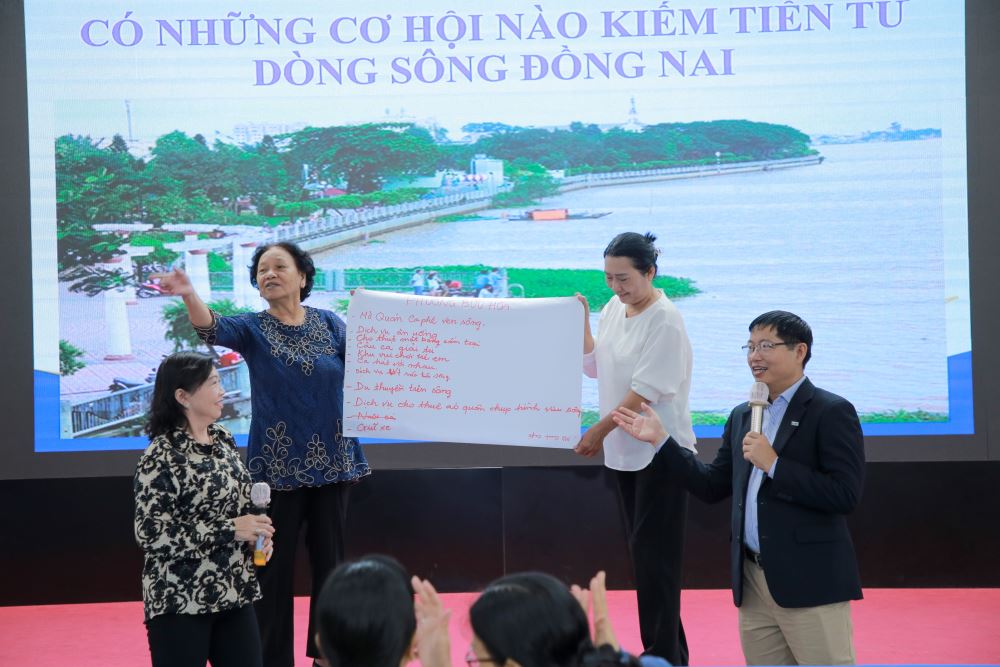
Organizing free training workshops and consultation sessions.
-
Providing free access to modern university facilities and equipment.
-
-
3. Capital and Knowledge Transfer: Facilitating knowledge transfer opportunities, including access to Intellectual Property (IP) assets.
-
4. Assisting in mobilizing capital from seed/incubation funds.
-
5. Providing specialized in-depth training to meet the specific needs of local businesses or community ventures.
-
B. Resource investment and training programs
LHU's commitment is reflected in its institutional setup and physical investment dedicated to innovation:
-
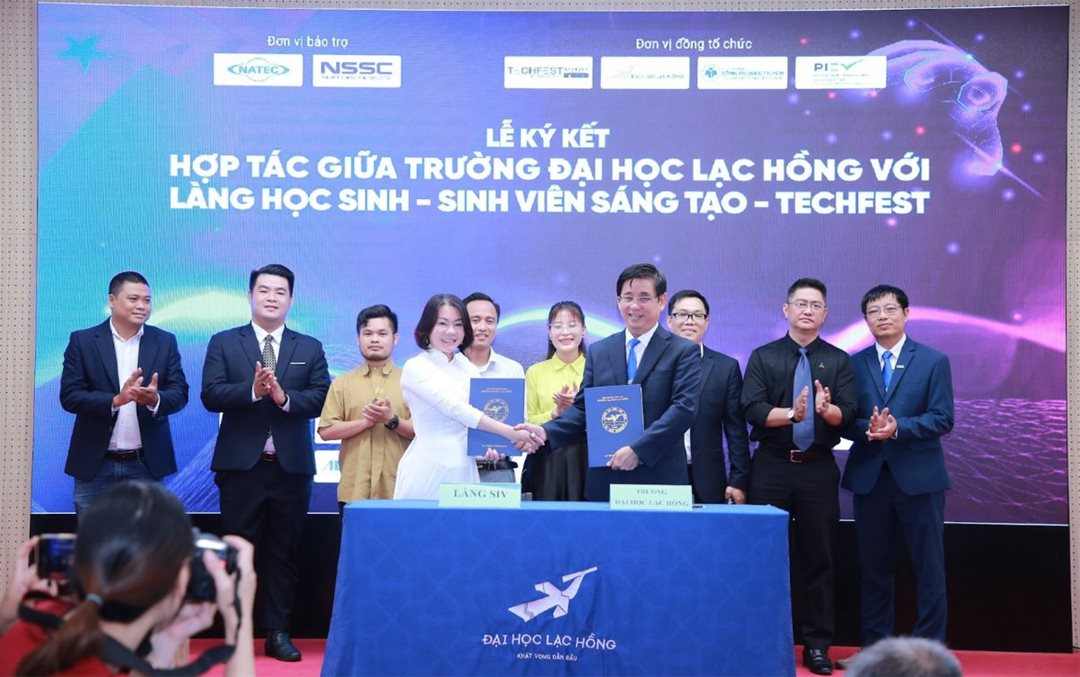
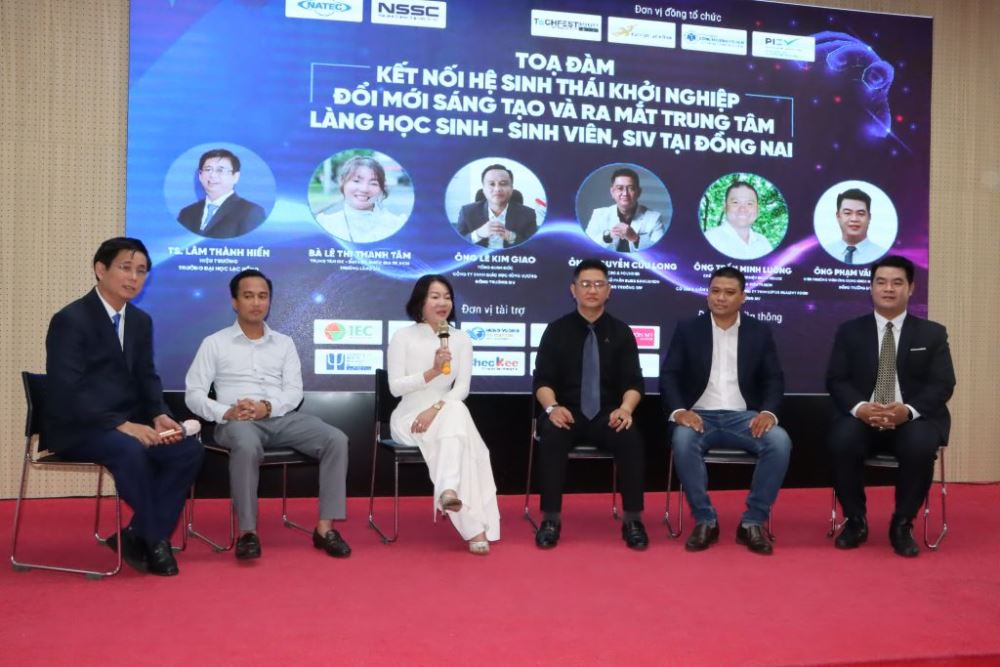
1. Dedicated Centers & Clubs: The Entrepreneurship Club, established since 2016, provides an essential platform for networking. Investment in a dedicated Coworking Space since 2018 offers start-up founders a hub for collaboration. Furthermore, the Student Innovation Center (SIV) in Dong Nai (established August 2023) offers specialized services to confidently guide founders into the business world.
-
2. Diverse Training Programs and Mentorship: LHU utilizes established training models (such as IPP, ACSE, CEFE, SIYB, MEP) to equip students with core knowledge and skills in management, finance, marketing, and risk management.
-
C. Local start-up financial assistance
Lac Hong University (LHU) actively facilitates access to financial resources for local startups by connecting entrepreneurs with potential investors, strengthening fundraising capabilities, and developing regional investment networks. Through strategic partnerships with government agencies, business associations, and international organizations, LHU supports financially sustainable ventures and promotes entrepreneurship with positive social and economic impacts.
1. Startup Investment Pitching Programme – Dong Nai 2024
On August 28, 2024, LHU collaborated with the Dong Nai Young Entrepreneurs Association and the Department of Science and Technology to organize an investment pitching programme connecting six local startups with potential investors.
The programme successfully facilitated VND 1 billion in investment for a cordyceps cultivation project led by Ms. Tran Thi Tham, including VND 500 million for equipment and VND 500 million for production expansion. Additionally, the Van Huong herbal incense project received an investment commitment, demonstrating LHU's role in connecting local entrepreneurs with financial resources.
Key Achievements:
-
6 local startups participated in investment pitching.
-
VND 1 billion secured for a local startup project.
-
2 investors contributed to the funded project.
-
Additional investment commitment secured for a sustainable herbal incense venture.
-
2. Regional Startup Mentorship and Investment Ecosystem – 2025
On November 18, 2025, LHU collaborated with the Dong Nai Department of Science and Technology, the Vietnam Startup Innovation Advisory Council (VSMA), and Business Forum Magazine to strengthen the regional startup support ecosystem.
The initiative focused on training entrepreneurship trainers and specialized startup mentors, enhancing their capacity to guide emerging businesses in project development, investment preparation, and sustainable business growth.
By strengthening mentorship networks and connecting local entrepreneurs with experienced advisors and institutional resources, LHU contributes to developing a more supportive environment for startup financing and long-term business sustainability.
Key Achievements:
-
Strengthened collaboration among universities, government agencies, and startup advisory organizations.
-
Supported the development of qualified entrepreneurship trainers and mentors.
-
Enhanced access to startup advisory services and regional entrepreneurial resources.
3. International Investment Readiness and Fundraising – Singapore 2026
From July 12–15, 2026, LHU faculty members and students participated in an international entrepreneurship training and investment pitching programme in Singapore. The programme focused on startup strategy, business valuation, fundraising techniques, and international investor engagement.
A key highlight was the presentation of an AI-powered electronic Braille book project for visually impaired individuals to international investors. This initiative demonstrated LHU's commitment to supporting socially impactful technology ventures while expanding opportunities for international investment and sustainable entrepreneurship.
Key Achievements:
-
1 socially impactful technology project presented to international investors.
-
International training in business valuation, startup strategy, and fundraising.
-
Expanded exposure to international investment networks and opportunities.
II. Demonstrable Results and Strategic Collaboration
The university’s efforts have yielded measurable outcomes, showcasing LHU’s impact across the region:
-
Project Creation: Over 100 startup projects have been created or supported, actively encouraging the entrepreneurial spirit among students and the broader community.
-
Commercialization Success: Nearly 10 intellectual properties (IPs) have been successfully commercialized. This figure highlights LHU’s focus not just on the volume of startups, but on supporting the development of high-quality products and services with real commercial value.
-
Strategic Partnerships: LHU strengthens its ecosystem through strategic collaborations with organizations like the Vietnam Startup Innovation Advisory Council (VSMA), the Southern Startup Advisory and Support Council, and the National Startup Program, ensuring access to expertise for both students and community participants.
-
III. Recognition and Competitive Achievements
The effectiveness of LHU's support model is validated by continuous high-level recognition:
-
Ministerial Recognition: In 2023, LHU proudly received a Certificate of Merit from the Minister of Education and Training for its sustained positive contributions to the "Supporting Students to Start Up until 2025" project over five consecutive years.
-
Competitive Excellence: LHU has consistently achieved high rankings in prestigious startup competitions, including:
-
National Startup Competition: Winning First Prize in 2006, Second Prize in 2018, and achieving top rankings in subsequent years (Top 10 in 2021, Top 20 in 2023).
-
SV-STARTUP Competition (MOET): Securing Second Prize in 2021 and multiple awards in 2022.
-
These achievements affirm the university's role as a driving force for innovation, effectively bridging the gap between academic theory and entrepreneurial practice for both its students and the local community.
Programmes for services access
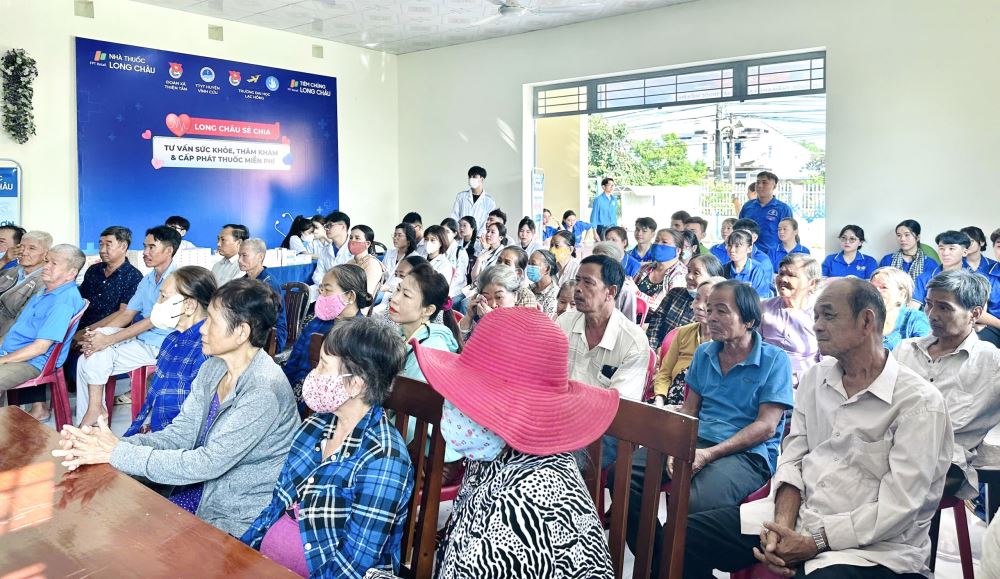
Lac Hong University improves access to basic services through community programmes and training in health and living standards. Initiatives include free health check-ups, nutrition education, clean water support, housing assistance, computer donations, and emergency relief. These activities particularly benefit vulnerable communities, strengthening health, safety, digital inclusion, and overall social well-being.
Multilevel participation in policy implementation to end poverty
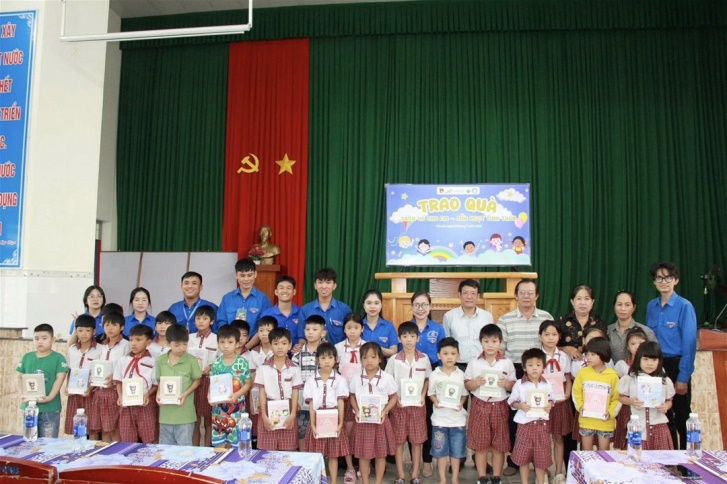
Lac Hong University advances SDG 1 through multilevel poverty-reduction initiatives. It connects disadvantaged students with local support, delivers regional community programs, implements national financial-aid policies, and builds international scholarship partnerships. These efforts reduce financial barriers, prevent education disruption, expand opportunity, strengthen social inclusion, and support long-term mobility for vulnerable communities.
